

The Exclusive Remedy Rule & Your Legal Options After a Workplace Injury
In most cases, no. Delaware’s workers’ compensation system operates as an exclusive remedy, which means you give up the right to sue your employer in exchange for guaranteed benefits regardless of fault. There are exceptions, but they’re narrow, and knowing where the line falls determines whether you have a path to a lawsuit or should focus on getting the most out of your workers’ comp benefits instead.

When you’re hurt at work in Delaware, your first instinct might be to hold your employer accountable in court, especially if the injury happened because of unsafe conditions, broken equipment, or a supervisor’s decision to cut corners. The frustration is justified. But Delaware law channels most workplace injury claims through the workers’ compensation system, not the court system. That’s a feature of the law, not a flaw, and it has real consequences for how you recover compensation.
Here’s what you can and can’t do, and the situations where a lawsuit becomes an option.
What the Exclusive Remedy Rule Actually Means
Under Delaware Code Title 19, Chapter 23, workers’ compensation is the sole remedy for employees injured on the job. This is a trade-off built into the law. Employers agreed to provide guaranteed benefits to injured workers, regardless of who caused the injury. In exchange, employees agreed not to sue their employers for workplace injuries.
The practical effect: you don’t need to prove your employer was negligent to receive workers’ comp benefits. You don’t need to hire a lawyer, file a lawsuit, or convince a jury. If the injury happened at work or because of your work, you’re covered. The trade-off is that you can’t pursue pain and suffering, punitive damages, or the full range of damages you’d get in a personal injury lawsuit.
This rule applies even when your employer was clearly at fault. A supervisor who ignored a safety violation, a company that skipped equipment maintenance, a manager who pressured you to work without proper protective gear, none of those facts change the exclusive remedy rule. Workers’ comp still applies.
The Exceptions: When You Can Sue Your Employer
Delaware recognizes only one exception to the exclusive remedy rule for direct claims against your employer, and it’s extremely narrow.
Intentional Injury
If your employer deliberately intended to injure you, you may be able to file a civil lawsuit outside the workers’ compensation system. This doesn’t mean your employer was careless, reckless, or even grossly negligent. It means they acted with a specific, deliberate intent to cause you physical harm.
The legal standard here is demanding. You must allege facts that, if proven true, show your employer wanted you to get hurt. A supervisor who physically assaults you could meet this threshold. An employer who knowingly sends you into a situation they know will injure you, with the purpose of causing that injury, might qualify. An employer who simply ignored a safety regulation, even one they knew about, almost never does.
Delaware courts interpret this exception more narrowly than many other states. Some states allow lawsuits when an employer acts with “substantial certainty” that injury will occur. Delaware requires a higher showing: true, deliberate intent. The distinction matters, because cases that would survive a motion to dismiss in Pennsylvania or New Jersey may get thrown out in Delaware.
Co-Worker Intentional Acts
The exclusive remedy rule also protects your co-workers from lawsuits for injuries they cause during the course of employment. If a co-worker’s negligence injures you, workers’ comp is your remedy. The only exception follows the same pattern as employer liability: the co-worker must have acted with deliberate intent to injure you. Accidental injuries, even reckless ones, stay in the workers’ comp system.
Third-Party Claims: Where Lawsuits Are an Option
While you generally can’t sue your employer, you absolutely can sue a third party whose negligence contributed to your workplace injury. Third-party claims operate outside the workers’ compensation system entirely. They allow you to pursue the full range of damages, including pain and suffering, that workers’ comp doesn’t cover.

Defective Products and Equipment
If a defective tool, machine, or piece of equipment caused your injury, you may have a product liability claim against the manufacturer, designer, or distributor of that product. Your employer might have bought the equipment, but they didn’t make it. The company that designed or manufactured a forklift with faulty brakes, a power tool with a defective guard, or a safety harness that failed under normal use is a third party you can take to court.
Product liability claims can result in significantly higher compensation than workers’ comp alone because they allow recovery for pain and suffering, loss of enjoyment of life, and in some cases, punitive damages.
Negligent Property Owners
If you’re injured at a worksite your employer doesn’t own or control, the property owner may be liable. Construction workers are the most common example. A general contractor or property owner who fails to maintain safe conditions on a jobsite can be sued by workers employed by subcontractors.
Negligent Drivers
If you’re injured in a car accident while performing work duties and another driver caused the crash, you can file a personal injury claim against that driver. This is separate from your workers’ comp claim. You can collect workers’ comp benefits for your medical bills and lost wages and simultaneously pursue a lawsuit against the at-fault driver for pain and suffering and other damages.
Toxic Exposure by Third Parties
If your workplace injury involves exposure to hazardous chemicals or substances supplied or manufactured by a third party, that company may be liable. Asbestos cases are the most well-known example, but this category also covers chemical burns, respiratory illness from toxic fumes, and other exposure-related conditions caused by products a third party brought into your workplace.
How Third-Party Claims Work Alongside Workers’ Comp
Pursuing a third-party lawsuit doesn’t cancel your workers’ compensation benefits. The two systems run in parallel. But there’s an important interaction you need to understand.
Subrogation and Liens
If you receive workers’ comp benefits and then win a third-party lawsuit, your employer’s insurance company has a subrogation right. That means they can seek reimbursement from your third-party recovery for the benefits they already paid you. In practical terms, the workers’ comp insurer puts a lien on your third-party settlement or judgment.
This doesn’t wipe out the value of a third-party claim. Third-party cases typically recover damages that workers’ comp doesn’t cover at all, including pain and suffering, which is often the largest component of the settlement. But the subrogation lien does reduce the net amount you take home, and negotiating that lien down is one of the reasons you need an attorney handling both claims.
Coordinating Both Claims
Running a workers’ comp claim and a third-party lawsuit at the same time requires careful coordination. The evidence you present in one proceeding can affect the other. Statements you make to the workers’ comp insurer can be used in the third-party case. An attorney who handles both sides ensures that nothing you do in one claim undermines the other.
What About Employer Negligence?
This is the question that frustrates most injured workers. Your employer ignored a safety regulation. Your employer knew the equipment was dangerous. Your employer refused to fix a hazard you reported three times. Can’t you sue for that?
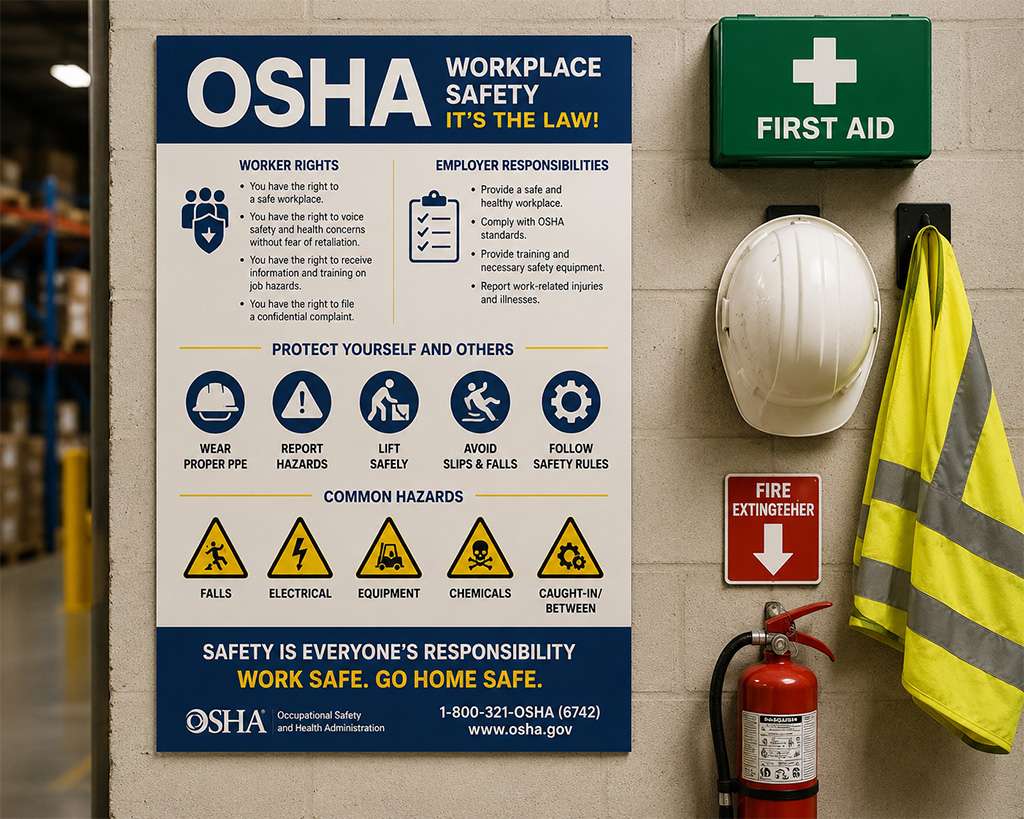
In Delaware, the answer is almost always no. Negligence, even gross negligence, does not create an exception to the exclusive remedy rule. The workers’ compensation system was designed to cover exactly these situations. The trade-off is that you get guaranteed benefits without having to prove fault, but you give up the right to sue even when fault is obvious.
What you can do is report the safety violation to the Occupational Safety and Health Administration (OSHA). OSHA can investigate, fine the employer, and require corrective action. This doesn’t put money in your pocket directly, but it creates a record that can strengthen your workers’ comp claim and protect your co-workers from the same hazard.
When Your Employer Doesn’t Carry Workers’ Comp Insurance
Delaware law requires virtually every employer with at least one employee to carry workers’ compensation insurance. An employer who operates without it faces penalties of up to three times the premiums they should have paid, plus $10 per employee per day for ongoing violations.
More importantly for you: if your employer doesn’t carry workers’ comp insurance, the exclusive remedy rule may not protect them. You may be able to file a personal injury lawsuit against your uninsured employer and pursue the full range of damages, including pain and suffering and punitive damages, that workers’ comp doesn’t allow. An uninsured employer has forfeited the protection the system was designed to give them.
The Statute of Limitations for Work Injury Claims
Different types of claims have different deadlines, and missing any of them can end your case.
- Workers’ comp petition: Two years from the date of injury to file a Petition to Determine Compensation Due with the Industrial Accident Board
- Third-party personal injury lawsuit: Two years from the date of injury under Delaware’s general personal injury statute of limitations
- Product liability claim: Two years from the date of injury, though discovery rules may apply if the defect wasn’t immediately apparent
These deadlines run concurrently, not consecutively. The clock starts on the date of injury for all of them. If you’re considering both a workers’ comp claim and a third-party lawsuit, start the process early so neither deadline catches you off guard.
FAQs About Suing Your Employer for a Work Injury in Delaware
Can I sue my employer if they violated OSHA regulations?
No. An OSHA violation, even a willful one, does not create an exception to Delaware’s exclusive remedy rule. Workers’ compensation remains your sole remedy against your employer. You can report the violation to OSHA and pursue your workers’ comp claim, but you cannot file a separate negligence lawsuit against your employer based on the safety violation alone.
What if a subcontractor’s employee injured me at work?
If you were injured by someone who works for a different company, that person and their employer are considered third parties. You can pursue a personal injury lawsuit against them while simultaneously collecting workers’ comp benefits from your own employer’s insurance. This is one of the most common third-party claim scenarios in construction and industrial workplaces.
Can I sue my employer if they fired me after I filed a workers’ comp claim?
Possibly, but this would be a retaliation claim, not a personal injury lawsuit. Delaware law prohibits employers from retaliating against employees who file workers’ compensation claims. A wrongful termination claim for retaliation is separate from your workers’ comp benefits and would be pursued through the court system, not the Industrial Accident Board.
Do I need a lawyer for a third-party work injury claim?
You’re not legally required to have one, but third-party claims involving workplace injuries are among the most complex personal injury cases. You’re managing two parallel proceedings with different rules, different evidence standards, and a subrogation lien that reduces your recovery if not handled properly. An attorney who understands both workers’ comp and personal injury litigation protects your interests across both systems.
What damages can I recover in a third-party lawsuit that I can’t get through workers’ comp?
Workers’ comp covers medical bills and a percentage of lost wages. A third-party lawsuit can recover pain and suffering, emotional distress, loss of enjoyment of life, full lost wages (not just 66⅔%), future earning capacity, and in some cases, punitive damages. These additional categories of damages are often worth significantly more than workers’ comp benefits alone.
What if I signed a waiver or release with my employer?
Waivers that attempt to release an employer from workers’ compensation obligations are generally unenforceable in Delaware. Workers’ comp rights are statutory, meaning the law creates them and an employer can’t make you sign them away. If you signed something and aren’t sure what it means, have an attorney review it before assuming you’ve given up any rights.
Injured at Work and Not Sure Where You Stand? Call Us.
Figuring out whether you have a workers’ comp claim, a third-party lawsuit, or both isn’t something you should do alone. The rules are specific to your situation, and getting the analysis wrong can cost you thousands in benefits or damages you didn’t know you were entitled to.
The Law Office of Heather A. Long handles work injury cases throughout Delaware, including the Middletown, Odessa, and Townsend communities. Heather’s background as both a former insurance defense attorney and a former paramedic gives her a perspective most attorneys don’t have. She’s seen workplace injuries from the scene, from the insurance company’s side, and now from yours.
Call (302) 466-5664 to talk through what happened. You get our office directly, not a call center. The consultation is free, and you don’t pay unless we win.